
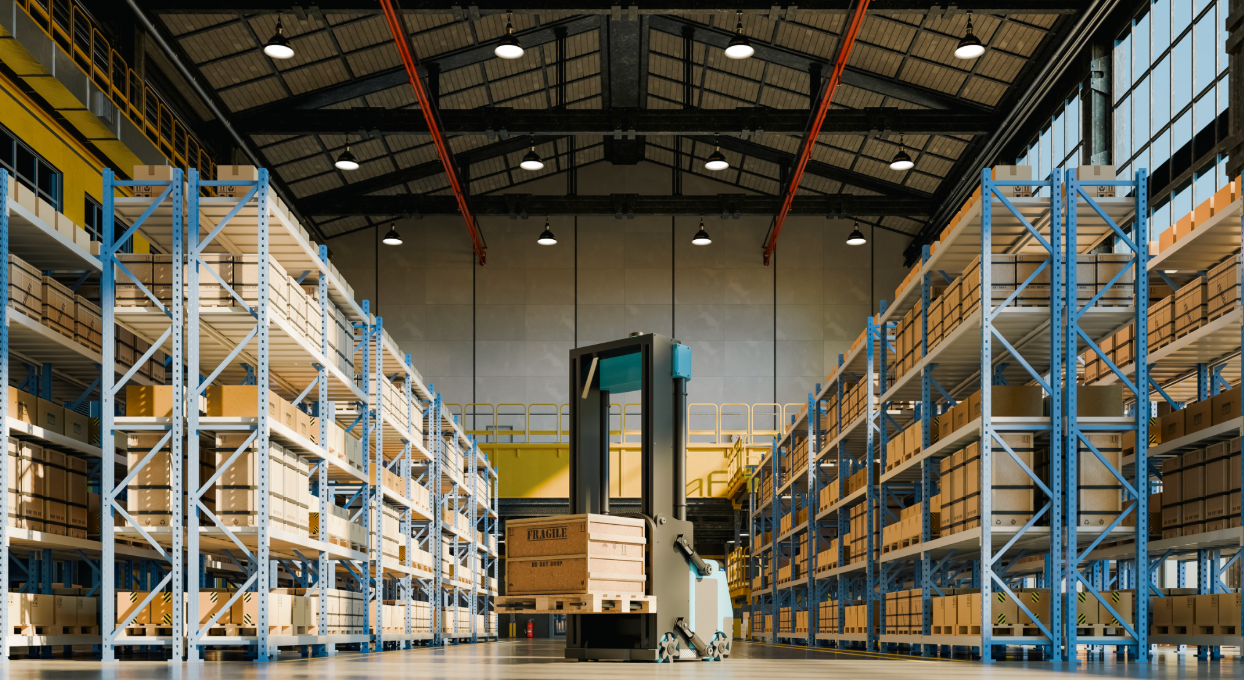
Modern distribution centers face more pressure than ever before. Customer expectations continue to rise, labor shortages persist, and supply chain demands require faster fulfillment and greater accuracy. As a result, many organizations are turning to warehouse automation to increase throughput, improve accuracy, and create a more scalable warehouse environment.
However, implementing new technology is only part of the equation. The real key to success is choosing the right warehouse automation integrator—a partner capable of bringing together equipment, software, robotics, and operational workflows into one cohesive system.
Why Warehouse Automation Matters
Today’s warehouse operations are vastly different from those of a decade ago. E-commerce growth, same-day shipping expectations, and increasingly complex logistics networks have transformed how products move through the supply chain.
To remain competitive, businesses are investing in warehouse automation technology that can reduce manual labor, improve inventory accuracy, and increase productivity. Whether it’s a conveyor system, robotic picking technology, automated storage solutions, or sophisticated warehouse management software, the goal is the same: create a smarter and more efficient warehouse.
The challenge is that every warehouse operation is unique. That’s where experienced system integrators become essential.
What Is a Warehouse Automation Integrator?
A warehouse automation integrator is responsible for evaluating operational requirements and designing a complete automation solution that works as a unified system. Rather than purchasing individual technologies independently, companies work with a systems integrator to ensure every component functions together seamlessly.
A qualified system integrator helps connect:
- Warehouse management system software
- Warehouse control system platforms
- Robotics equipment
- Conveyor systems
- Automated guided vehicle fleets
- Automated storage technologies
- Inventory management platforms
- Material handling system infrastructure
Successful system integration ensures data flows correctly, equipment communicates properly, and warehouse processes operate efficiently from receiving through shipping.
The Growing Role of Robotics in Warehouse Management
One of the most exciting developments in warehouse automation solutions is the advancement of warehouse robotics.
Companies such as Amazon Robotics, Locus Robotics, and Fetch Robotics have demonstrated how robotics can improve productivity while reducing repetitive manual tasks. These robotic systems are capable of transporting inventory, assisting workers with order fulfillment, and supporting high-volume logistics operations.
Modern robotics integration may include:
- Autonomous mobile robots
- Robotic picking solutions
- Goods-to-person systems
- Automated guided vehicle technology
- Robotic pallet handling
When properly integrated into an existing warehouse automation system, these technologies can significantly improve operational efficiency while helping facilities scale for future growth.
The Importance of System Integration
Many companies make the mistake of viewing automation as a collection of individual products rather than a complete system. In reality, successful automation depends on effective integration.
For example, a conveyor system may move products efficiently, but without proper integration with the warehouse management system and warehouse control system, bottlenecks can still occur.
Experienced systems integrator teams focus on the complete workflow, including:
- Receiving
- Putaway
- Technical storage requirements
- Inventory management
- Order picking
- Packing
- Shipping
By approaching automation from a holistic perspective, integrators create warehouse automation solutions that improve performance throughout the facility.
Components of an Automated Warehouse
Today’s automated warehouse environments can incorporate numerous technologies depending on operational requirements.
Common solutions include:
Automated Storage and Retrieval
Automated storage technologies maximize cube utilization while reducing labor requirements. These systems can dramatically improve storage density and picking accuracy.
Conveyor Systems
Modern conveyor systems provide consistent product movement throughout the facility and serve as the backbone of many logistics automation projects.
Robotics Integration
Warehouse robotics continues to evolve rapidly. Robotic solution providers now offer systems capable of handling increasingly complex warehouse processes while maintaining high levels of accuracy.
Warehouse Management Software
A powerful warehouse management platform provides visibility into inventory, labor, and order fulfillment activities across the entire warehouse.
Warehouse Control Systems
A warehouse control system serves as the communication layer that coordinates equipment, software, and automated systems throughout the operation.
Choosing the Right Integration Partner
Not all warehouse automation companies offer the same capabilities. Selecting the right integration partner requires evaluating several important factors.
Look for a provider that demonstrates expertise in:
- System logistics planning
- Supply chain optimization
- Warehouse management best practices
- Material handling system design
- Robotics integration
- System integration execution
- Automation technology deployment
The best integrators understand that technology alone does not solve operational challenges. Instead, they design solutions that align with business goals, labor availability, growth projections, and customer expectations.
Lessons from Industry Leaders
Industry leaders continue to push the boundaries of warehouse automation technology.
Organizations such as Amazon Robotics have revolutionized fulfillment operations through advanced robotics. Meanwhile, companies including Murata Machinery and Toyota Advanced Logistics continue developing innovative automation technology designed to improve logistics performance across multiple industries.
These examples demonstrate that successful warehouse automation is not about implementing a single piece of equipment. It’s about creating an integrated system where every component works together to support warehouse management and supply chain objectives.
The Future of Automated Warehouse Solutions
The future of automated warehouse solutions will be defined by increased connectivity, artificial intelligence, advanced robotics, and data-driven decision making.
As automation technology continues to evolve, companies that invest in well-designed automated warehouse system infrastructure today will be better positioned to adapt tomorrow.
Businesses that embrace logistics automation can expect:
- Improved inventory management
- Increased productivity
- Greater scalability
- Reduced operational costs
- Enhanced customer service
- Better supply chain visibility
These advantages are becoming critical for organizations seeking long-term competitiveness.
Why Integration Is the Difference Between Success and Failure
Many warehouse automation companies can supply equipment. Far fewer possess the expertise required to serve as true system integrators.
The difference lies in execution.
A skilled warehouse automation integrator understands how to align software, equipment, robotics, and warehouse processes into a cohesive warehouse automation system. Through thoughtful system integration, companies can transform manual operations into intelligent, connected environments that drive measurable business results.
As supply chain demands continue to grow, partnering with an experienced systems integrator may be one of the most important investments a warehouse can make. The right integration strategy not only improves current performance but also establishes the foundation for future growth, innovation, and operational excellence.