
Get estimate within 24 hours

Selective Pallet Racking Systems

Direct Access to Every Pallet

Selective pallet racking gives every pallet its own position and its own access, so a forklift can pull any load without moving another. It is the most widely used pallet racking system in distribution, manufacturing, and 3PL warehouses.

Designed for Your Building

SOURCE Racks designs, permits, and installs selective pallet rack systems for warehouses in California, Texas, and nationwide. Every layout is built around your clear height, column spacing, pallet sizes, and forklifts.

Estimates in 24 Hours

Send us your floor plan and pallet details, and we return a layout and estimate within 24 hours, so you can plan and budget without waiting weeks on bids.

selective pallet racking

What Is Selective Pallet Racking?

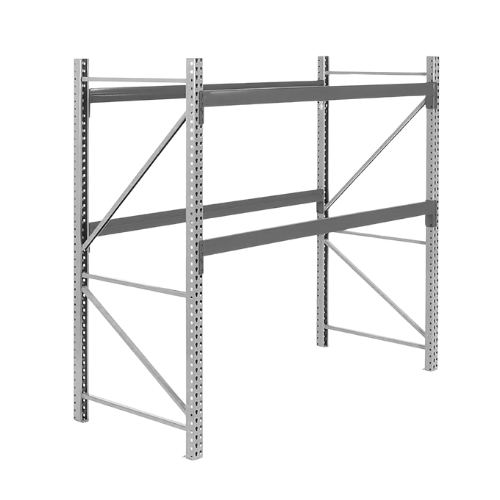
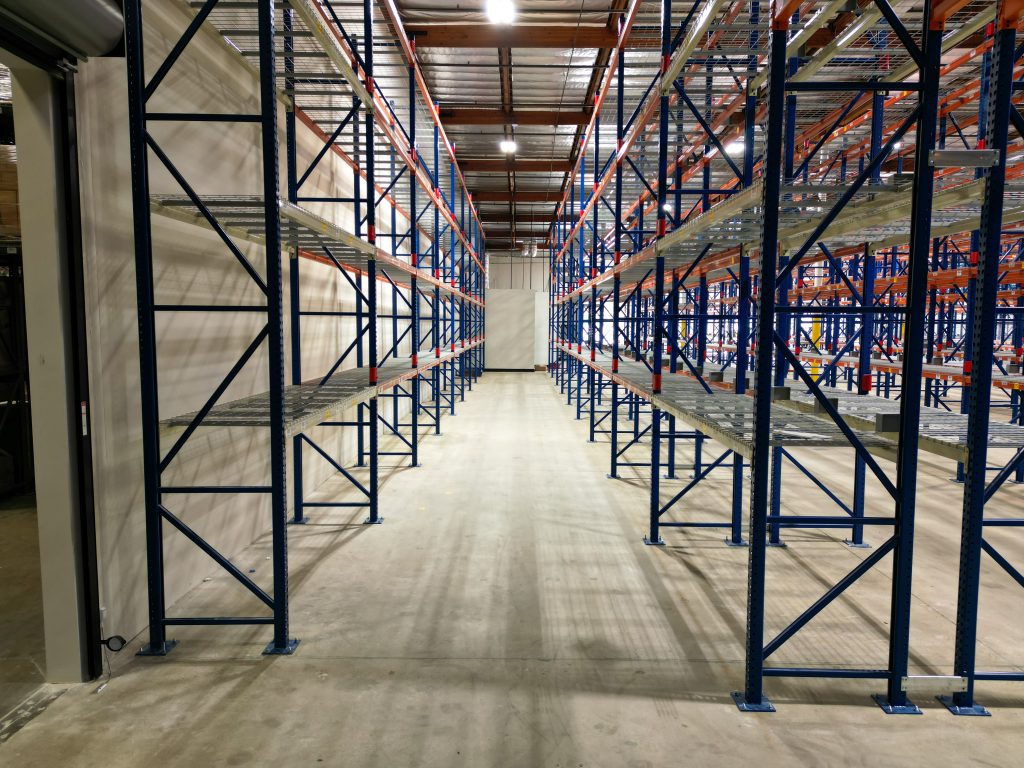
Selective pallet racking is a pallet rack system built from upright frames and horizontal load beams, one pallet deep from each aisle. Because every pallet position faces an aisle, operators have 100% selectivity: any SKU, any time.

It works with standard counterbalance forklifts, handles mixed SKUs well, and is the easiest system to reconfigure as inventory changes. That flexibility is why selective pallet rack is the starting point for most warehouse layouts.

Selective Racking Layout Options

Aisle width decides how many pallet positions fit in your building and which trucks you need.

LayoutTypical aisle widthEquipmentTrade-off
Standard aisle11 to 13 ftCounterbalance forkliftEasiest access, most floor space used
Narrow aisle8 to 10 ftReach truckMore positions per square foot
Very narrow aisle5 to 6 ftTurret or order pickerHighest density, specialized trucks
Double deep8 to 10 ftDeep-reach truckHigher density, lower selectivity

When selectivity matters less than density, we compare selective racking against pallet flow racking, push back racking, and drive-in systems. For long or irregular loads, cantilever racking is the better fit.

Selective Pallet Rack Components

  • Upright frames: two steel columns joined by bracing; frame depth is usually 42 or 44 inches for standard 48 x 40 pallets.
  • Load beams: horizontal beams that set each pallet level; common lengths run 96 to 144 inches, sized to the load.
  • Wire decking and pallet supports: add support under pallets and reduce the risk of falling product.
  • Row spacers: tie back-to-back rows together for stability.
  • Base plates and anchors: connect each column to the slab; critical for seismic design in California.
  • Safety accessories: column guards, end-of-aisle protectors, and load signs.

Upright Frames

Vertical columns fabricated from structural steel that form the backbone of the racking system.

Load Beams

Horizontal load beams span between upright frames to support palletized goods. Beam length and beam level spacing determine each pallet position and the overall rack capacity.

Wire Deck/Pallet Support

Wire deck and wire mesh decking components improve load distribution, add pallet support, and prevent pallets from shifting.

Pallet Positions

Each bay of selective pallet racking is divided into pallet positions that keep inventory organized and easy to locate.

Roll-Formed vs. Structural Steel Selective Racking

Roll-formedStructural
MaterialCold-formed steel, teardrop or box beamHot-rolled C-channel steel, bolted
CostLower upfront costHigher upfront cost
Impact resistanceGood for standard trafficBetter for heavy forklift traffic
Best forMost warehouses, frequent reconfigurationHeavy loads, freezers, high-traffic aisles

We specify the steel type based on your loads, forklift traffic, and budget, not a default.

Benefits of Selective Pallet Racking

Direct Access to Every Pallet

Every pallet can be picked on its own, which speeds order picking and cuts handling time.

Works with the Forklifts You Have

Standard aisle layouts run with counterbalance trucks. Narrow aisle layouts free up floor space if you use reach trucks.

Better Use of Vertical Space

Multiple beam levels let you store up to the building's clear height while keeping every load reachable.

Simple Inventory Control

Every position is visible and labeled, which makes cycle counts and slotting easier.

Easy to Expand

Bays, beam levels, and rows can be added later without replacing the system.

Selective Pallet Racking vs Other Pallet Racking Systems

Selective pallet racking is the most versatile pallet racking system, but some operations need more density or have loads that do not fit on a pallet. These are the systems we compare it against most often.

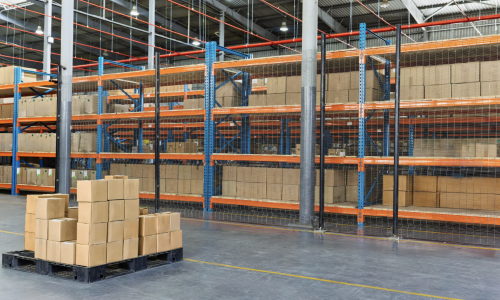
Double Deep Pallet Rack

Double Deep Pallet Rack

Double deep pallet racking stores pallets two positions deep to increase storage density. Double deep racking requires a specialized reach forklift but reduces aisle requirements.
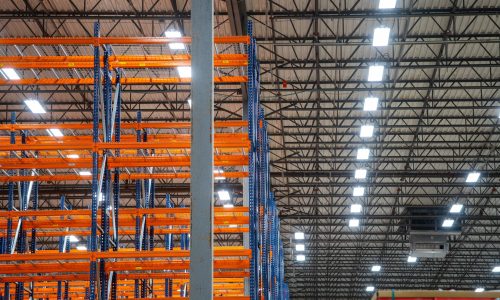
Pallet Flow Racking

DSC05823

Pallet flow rack systems use gravity rollers to move each pallet automatically through storage lanes. Pallet flow is commonly used for FIFO inventory rotation, and a carton flow rack applies the same gravity-fed principle to case picking.
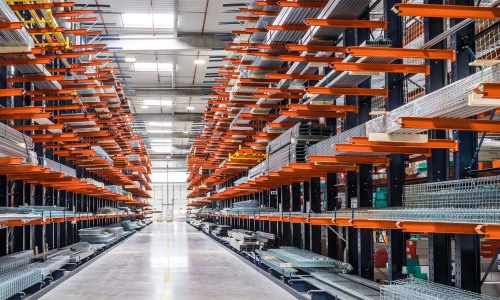
Cantilever Racking

cantilever rack

Cantilever racking supports long or irregular materials that cannot be stored on a traditional pallet rack structure.
New and Used Selective Pallet Rack

We install new selective racking and inspected used pallet racking when budget or lead time is tight. Every used component is checked for damage before it goes into your building.

How We Design and Install Selective Pallet Racking

  1. Site review: clear height, column spacing, slab, sprinklers, and dock layout.
  2. Load and layout design: pallet sizes, weights, SKU count, and forklift type set beam levels and aisle widths.
  3. Engineering and permits: stamped calculations, seismic design, and permit submittals handled for you.
  4. Installation: our crews install, anchor, level, and label every bay.
  5. Final inspection and handoff: load signs posted, inspection passed, and your team trained on capacity limits.

What Affects the Cost of Selective Pallet Racking

  • Number of pallet positions and beam levels
  • Rack height and load capacity per level
  • New, used, roll-formed, or structural steel
  • Seismic engineering, permits, and anchoring
  • Wire decking, guards, and other accessories
  • Installation access and schedule

See how we laid out selective racking in our Irvine selective racking project.

Selective Pallet Racking FAQs

What is the difference between selective racking and double deep racking?

Selective racking stores one pallet deep so every pallet is reachable. Double deep stores two pallets deep for more density, but you lose direct access to the rear pallet and need a deep-reach truck.

How high can selective pallet racking go?

Height is set by your building’s clear height, sprinkler clearance, forklift reach, and seismic design. We confirm the safe height during engineering.

Do I need a permit for pallet racking in California?

In most California cities, racking above a set height needs a permit and stamped seismic calculations. We handle the engineering and permit process.

How long does installation take?

Most projects install in days to a few weeks, depending on size, permit timing, and site access.

Service Areas

Southern California & Nationwide Warehouse Racking

SOURCE Racks installs selective pallet racking and complete pallet rack systems throughout Southern California’s largest logistics markets, across Texas, and nationwide. From distribution centers in Ontario and Fontana to facilities near the ports of Los Angeles and Long Beach, every system is engineered for safety, seismic code, and long-term growth.

  • Ontario
  • Fontana
  • Los Angeles
  • Riverside
  • Chino
  • Corona
  • Moreno Valley
  • Long Beach
  • Torrance
  • Gardena
  • San Bernardino
  • Redlands