
Get estimate within 24 hours
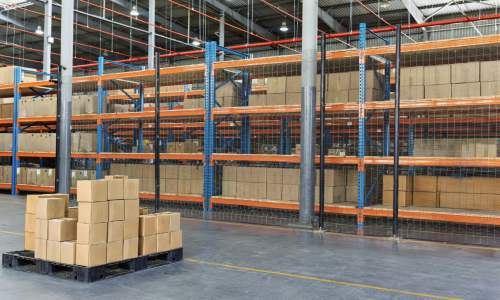
Push back racking is one of the most effective solutions for warehouses that need to increase pallet storage without expanding their building footprint. By storing multiple pallets deep within each rack lane, push back racking allows warehouses to increase storage density while maintaining efficient forklift access.
SOURCE Racks designs and installs engineered push back racking systems for warehouses across Southern California. Our team helps warehouse operators increase storage capacity, improve pallet organization, and maximize available warehouse space using professionally designed pushback racking layouts.
From large logistics facilities in Ontario and Fontana to distribution centers near the ports of Los Angeles and Long Beach, SOURCE Racks provides reliable push back rack solutions tailored to modern warehouse operations.
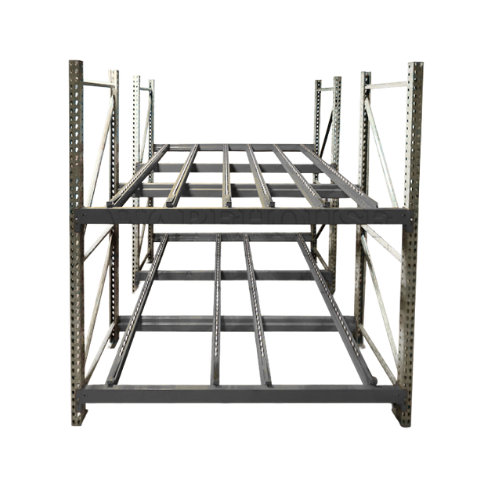
Push back racking is a high-density pallet storage system designed to store multiple pallets within a single rack lane. Instead of storing a single pallet per depth position, a pushback pallet rack allows several pallets to be stored one behind another on inclined rails.
In a typical push back rack system, pallets are placed on nested carts that move along an inclined rail inside the rack structure. When a forklift places a pallet into the rack, the pallet pushes the previous pallet deeper into the lane. When a pallet is removed, gravity causes the remaining pallets to roll forward.
This system creates a controlled push back motion that allows warehouses to store multiple pallets per lane while maintaining safe pallet handling.
Because of this design, pushback racking provides significantly greater storage density than standard selective pallet rack systems.
A properly designed pushback racking system relies on several key structural components.
The rack structure includes upright frames and horizontal beams similar to traditional pallet rack systems. Within each rack lane, carts ride on a rail system designed to support pallet loads.
When forklifts place pallets into the rack lane:
When a pallet is removed, gravity pulls the next pallet forward along the rail so it reaches the front pallet position.
This controlled push back system allows forklifts to load and retrieve pallets from the same aisle while maintaining high density storage.
Different warehouses require different pallet racking systems depending on storage needs and inventory flow.
For warehouses needing higher storage density while maintaining forklift accessibility, pushback racking often provides the best balance between capacity and efficiency.
A selective pallet rack allows direct access to every pallet but requires more aisle space.
A pallet flow rack uses gravity rollers to move pallets through a lane and typically supports FIFO inventory flow.
A carton flow rack is used for case picking rather than pallet storage.
A cantilever rack is used to store long materials like pipes or lumber.
Every push back rack system includes engineered components designed to safely support pallet loads. Together these components create a durable pushback racking system capable of supporting heavy pallet loads in demanding warehouse environments.

Each pallet sits on a cart that rolls along the rail system.
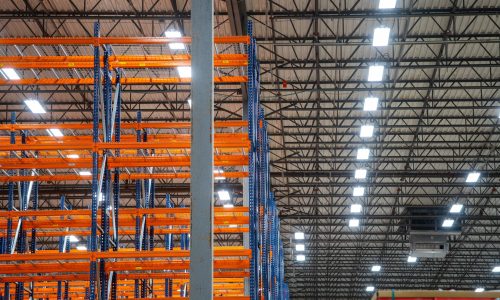
The rail guides carts forward and backward through the rack.
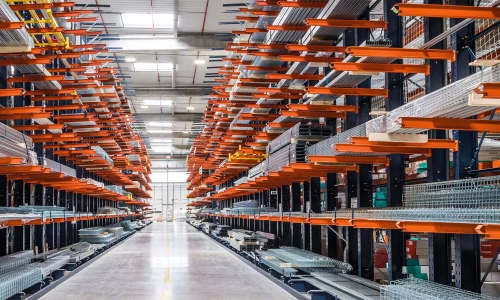
Pallet support bars and wire deck components help stabilize pallet loads.

Heavy-duty pallet rack frames support the entire racking structure.

Column protectors and rack guards help protect warehouse equipment and extend rack lifespan.
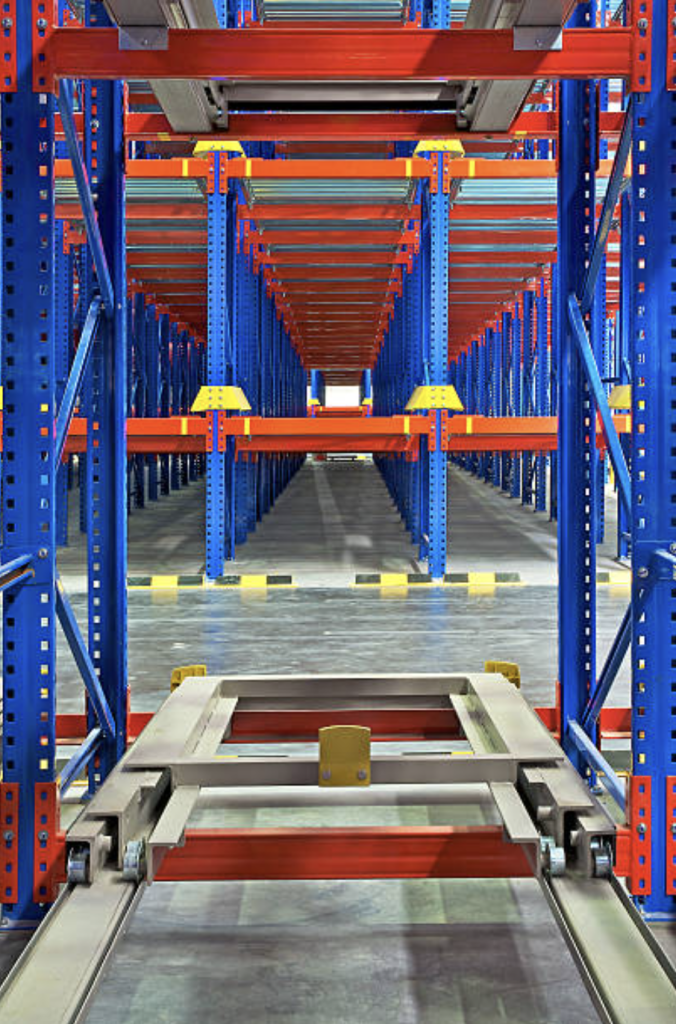
Every push back rack system includes engineered components designed to safely support pallet loads.
Together these components create a durable pushback racking system capable of supporting heavy pallet loads in demanding warehouse environments.
SOURCE Racks provides push back racking solutions designed for the unique logistics environments across Southern California.
Large warehouse clusters in Ontario, Fontana, and Rialto rely on high-density pallet racking to support distribution operations moving goods across the Inland Empire.
Facilities near the ports in Long Beach, Carson, and Compton often implement pushback racking systems to maximize pallet storage within port-adjacent warehouse space.
In growing logistics corridors such as Chino, Jurupa Valley, and Moreno Valley, warehouses frequently adopt pushback pallet rack systems to increase storage capacity while supporting efficient forklift operations.
Our team designs pushback rack systems that integrate seamlessly with existing material handling workflows and warehouse equipment.
Push Back Racking in Southern California & Nationwide
SOURCE Racks installs push back racking systems across Southern California’s major warehouse and logistics markets and throughout the United States.
From the logistics hubs of the Inland Empire to port-adjacent warehouses in Los Angeles and Long Beach—and facilities nationwide—SOURCE Racks delivers engineered push back racking systems designed to maximize pallet storage and improve warehouse efficiency.